What to Wear to a Job Interview: Outfit Ideas for Every Dress Code

What to wear to a job interview depends on the employer, role, and dress code. The best interview outfit helps you look prepared without distracting from the conversation. It should fit the employer’s dress code, feel comfortable when you sit and move, and look polished from the moment you arrive.
You do not need an expensive new wardrobe. A few clean, well-fitting pieces in a simple color palette can work across many industries. Use these outfit formulas as a starting point, then adjust them to the company, role, weather, and your personal style.
Research the company before choosing an outfit
Start with the employer’s website, team photos, social media, and job listing. Notice whether employees wear suits, tailored separates, smart casual pieces, uniforms, or creative looks. If the workplace appears casual, aim one step more polished for the interview rather than jumping straight to formalwear.
When the dress code is unclear, ask the recruiter. A short question such as “Could you share the usual dress code for interviews?” is practical and professional.
Business formal interview outfits
Finance, law, senior corporate roles, and some client-facing positions may call for business formal clothing.
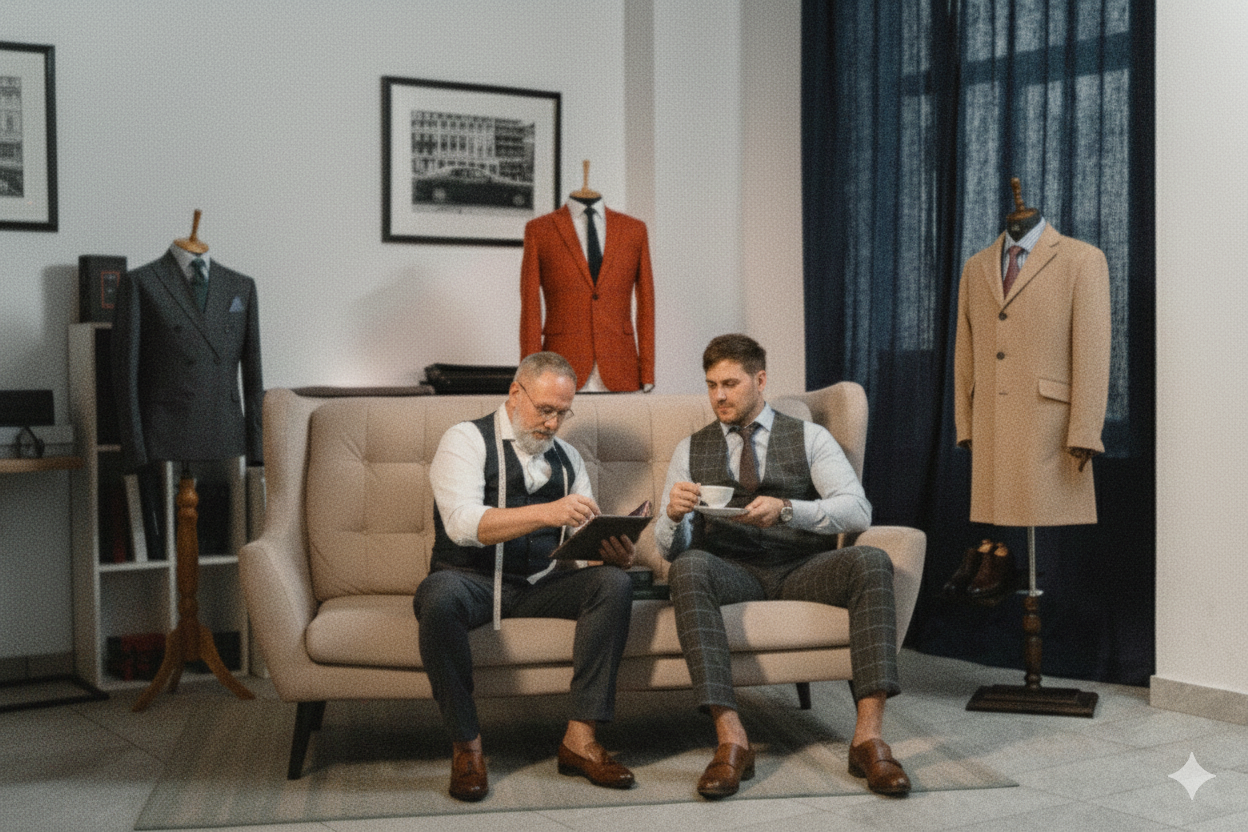
A reliable formula is a matching or closely coordinated suit, a solid shirt or blouse, and closed-toe shoes. Navy, charcoal, black, cream, and muted blue are easy to coordinate. Keep patterns subtle and choose accessories that do not make noise or require adjustment.
The jacket should sit smoothly across the shoulders, sleeves should allow comfortable movement, and trousers or a skirt should remain comfortable when seated. If you prefer a dress, choose a structured style with a polished layer such as a blazer.
Business casual interview outfits
Business casual is common in offices, education, technology, healthcare administration, and many professional service roles. The goal is neat and intentional without requiring a matching suit.
- Tailored trousers, a button-up shirt, and loafers
- A midi skirt, knit top, and structured cardigan
- Chinos, a collared shirt, and a blazer
- A simple midi dress with flats or low heels
Denim may be appropriate in some workplaces, but tailored trousers are the safer choice when you cannot confirm the culture.
Creative-industry interview outfits
Fashion, design, media, and other creative fields may welcome more personality. Keep the foundation polished, then add one memorable element: an interesting jacket, a rich color, a sculptural accessory, or a refined print.
A wide-leg trouser with a fitted knit, or dark trousers with a clean overshirt and modern shoes, can feel expressive without becoming costume-like. Let your portfolio and ideas carry the strongest message.
Retail, hospitality, and service interview outfits
Choose clothes that reflect the environment while showing you can move comfortably. A neat collared shirt or simple blouse with dark trousers and clean closed-toe shoes works for many roles. For a fashion retailer, adapt the look to the brand’s style without wearing prominent competitor logos.
Avoid shoes you have never worn before. Interviews sometimes include a store tour, trial task, or long wait.
Trades and practical-role interviews
For an office-based interview, smart casual clothing is usually appropriate. If you have been told there will be a site tour or practical assessment, follow the employer’s instructions and bring required protective equipment. Do not assume fashion footwear is safe for an operational environment.
What to wear for a video interview
Dress with the same care you would use in person. Solid colors often read clearly on camera, while very small checks or high-contrast patterns may look distracting. Test your outfit under the actual lighting and camera position.
Wear a complete outfit, not only a polished top. It helps you stay in an interview mindset and avoids problems if you need to stand up unexpectedly.
Choose colors and accessories with intention
Neutral colors are versatile, but they are not mandatory. A muted green, burgundy, soft blue, or warm brown can look professional when the silhouette is simple. Use one focal color and keep the rest of the outfit coordinated.
Limit accessories to pieces that feel secure and comfortable. Carry a tidy bag or folder large enough for documents, a notebook, and a pen. If the role requires a portfolio or equipment, test how you will carry everything before the interview day.
Common interview outfit mistakes
- Wearing something that pinches, slips, wrinkles heavily, or needs constant adjustment
- Trying new shoes without breaking them in
- Using strong fragrance in a shared indoor space
- Ignoring weather, travel, or walking distance
- Choosing visible slogans or distracting graphics
- Waiting until the interview morning to check fit and condition
Your night-before checklist
Try on the complete outfit, sit down in it, and check it in natural and indoor light. Steam or press garments, clean shoes, pack documents, and prepare a weather-friendly outer layer. Keep a lint roller, stain wipe, and simple grooming essentials nearby.
Confidence starts with preparation
A successful interview outfit does not need to be trendy. It needs to look considered, suit the setting, and let you focus on your answers. When in doubt, choose a simple, polished formula and make sure every piece fits comfortably.
For more wardrobe inspiration, explore our modern men’s outfit guide and women’s effortless style guide.