What to Wear to a Museum in Changing Weather: Four Outfit Plans

A museum day often includes more than the galleries: a walk from the station, a queue outside, lunch and perhaps another neighbourhood to explore afterwards. The outfit needs to work through those changes without making you carry half a wardrobe.
If you are deciding what to wear to a museum in changing weather, start with comfortable shoes you already trust, a base outfit that works on its own and one removable layer. Then adapt the combination to the forecast, your plans and the venue’s visitor guidance. There is no need to buy an outfit that looks like it belongs in a gallery.
Plan the day in three parts
Picture the journey, the indoor visit and the trip home. Which part is likely to be warmest, wettest or most tiring? Dress for that practical constraint first. A short taxi journey and a seated exhibition talk call for different choices from a full day on foot.
- Outside: Check the local forecast close to departure. Plan an appropriate outer layer for rain, wind or cooler evening temperatures.
- Inside: Choose a top you are happy to wear after removing that layer. Temperatures and your own comfort can vary from room to room.
- Afterwards: If you have dinner or another event booked, use a small styling change rather than carrying a complete replacement outfit.
Look up the museum’s current bag and coat-check rules before choosing a bag. Do not assume every venue has lockers, accepts large backpacks or follows the same policy. The National Museum of American History’s visitor tips illustrate the kind of official planning page to consult; check the equivalent page for the museum you will actually visit.
Outfit 1: Straight-leg trousers, a T-shirt and an overshirt
This is a flexible starting point for a casual daytime visit. Pair trousers that allow an easy stride with a comfortable T-shirt and an overshirt you can wear open or buttoned. Finish with walking shoes or trainers that suit your feet and the conditions.
For example, navy trousers, an off-white T-shirt and a muted green overshirt create a coordinated look without needing matching pieces. Prefer brighter colours? Keep the trousers simple and let the overshirt carry the colour. These are styling options, not rules about what museums allow.
The important detail is what happens when you remove the overshirt. The base outfit should still feel complete, and the spare layer should fit in your permitted bag or be easy to carry. Avoid choosing a bulky jacket solely for the indoor outfit if it will spend most of the day over your arm.
Outfit 2: A midi skirt, a simple top and a cardigan
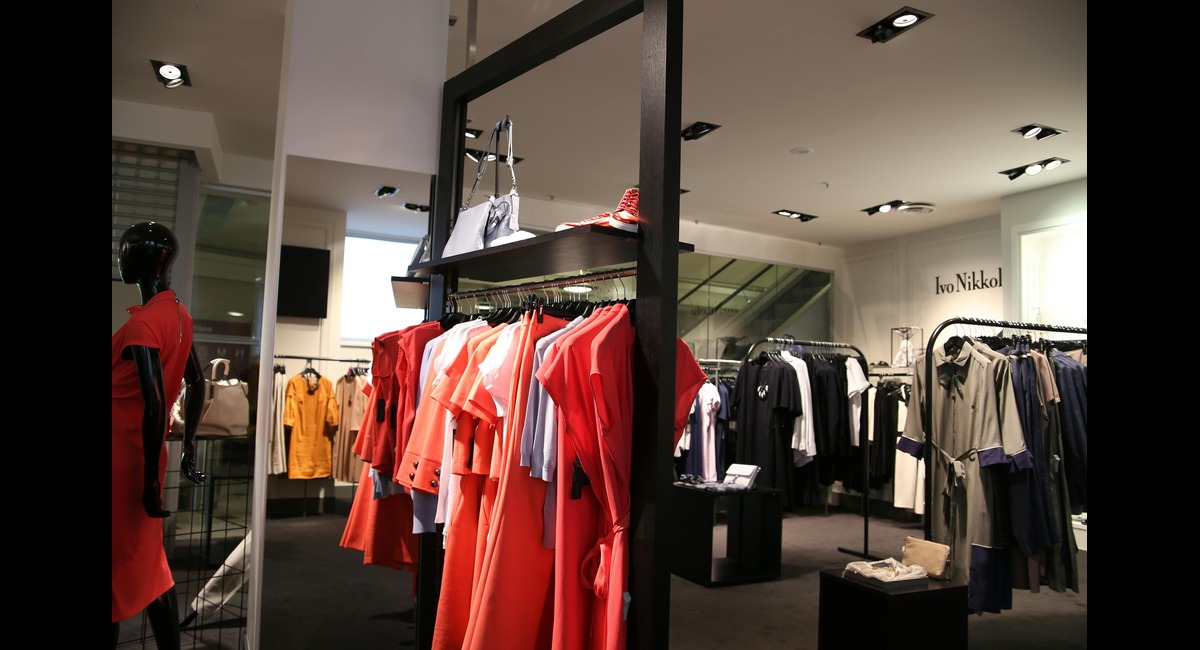
Choose a skirt with enough room to walk, climb steps and sit comfortably. Add a simple top, a light cardigan and footwear you have already worn for a similar amount of walking. A midi skirt does not require dressy shoes; familiar trainers or supportive flats can make the combination more practical.
Try sitting down with the full outfit before leaving. Check whether the waistband digs in, the hem catches under a chair or the cardigan feels awkward beneath your outerwear. If you use a mobility aid, check hems, loose layers and bag straps against your normal movements too.
For a restrained palette, try a charcoal skirt, a cream top and a burgundy cardigan. A patterned skirt works just as well with pieces you already own. The goal is an outfit you can forget about while looking at the exhibits.
Outfit 3: Comfortable jeans, a knit and a weather-ready outer layer
On a cool day, use jeans that remain comfortable after sitting and walking, then add a knit in a weight that suits you. Bring outerwear appropriate to the forecast. A jacket’s style does not tell you whether it is waterproof, so check its actual product information if rain is likely.
Keep trouser hems off the ground and avoid planning a long wet walk in shoes you normally reserve for indoors. If the day includes substantial rain, our rainy-day outfit guide explains the useful distinction between an outfit’s indoor shoes and weather-ready travel footwear.
This combination is easy to repeat on a city break. Change the top for the next outing rather than packing a separate coat and pair of shoes for every day.
Outfit 4: A relaxed dress with one useful layer
A dress can simplify the morning because the main outfit is already coordinated. Pick a length and shape that work for walking and sitting, then add a cardigan or other removable layer. Use your usual comfortable footwear instead of assuming the dress needs heels.
If you are going from the museum to dinner, a small accessory or a change in how you wear the layer can make the same outfit feel different. Check the restaurant or event’s dress code separately. An ordinary museum visit and a ticketed evening opening may have different expectations.
Keep the bag small enough to be useful
Choose the smallest permitted bag that comfortably holds your essentials. Test it with the actual load, not while it is empty. You should be able to retrieve a ticket or phone without emptying everything in a queue.
Leave unnecessary accessories at home and avoid long loose straps that you keep needing to adjust. If you bring an umbrella or damp outer layer, plan where it will go without wetting the rest of your belongings. Follow venue rules about what can enter galleries and where items must be checked.
A quick comfort check before leaving
- Walk around in the complete outfit, including the loaded bag.
- Sit, reach and take a few normal steps to check movement and hems.
- Remove the outer layer and confirm the remaining outfit still works.
- Check the forecast and the venue’s current visitor information.
- Leave room in your plan for a rest rather than expecting clothing to solve fatigue.
If the visit is part of a longer trip, the layering approach in our overnight-flight outfit guide can help you reuse travel pieces without packing another full look.
Do you need to dress up for a museum?
Let the venue and occasion guide you. Check any stated requirements, particularly for special events, and otherwise choose a level of polish you enjoy. Looking thoughtful does not require uncomfortable clothing, new shoes or a neutral-only wardrobe.
The easiest museum outfit is not the most elaborate one. It is the one that lets you move between the street, the galleries and the rest of your day with one simple adjustment.