What to Wear to a Clothing Repair Workshop: Practical Outfit Ideas

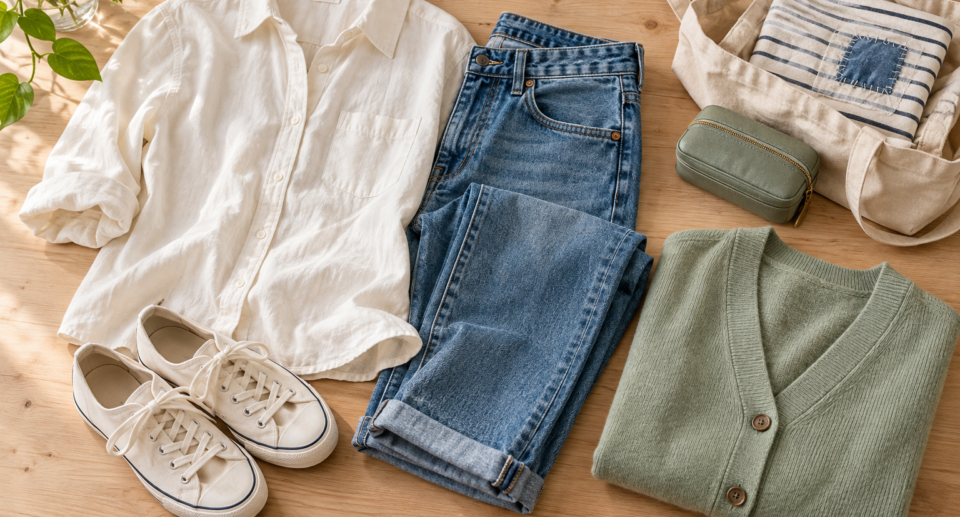
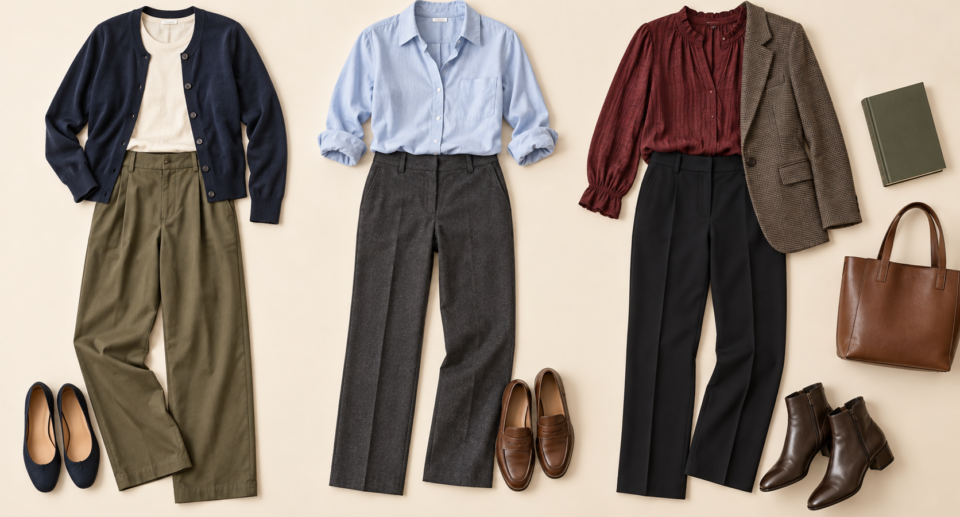
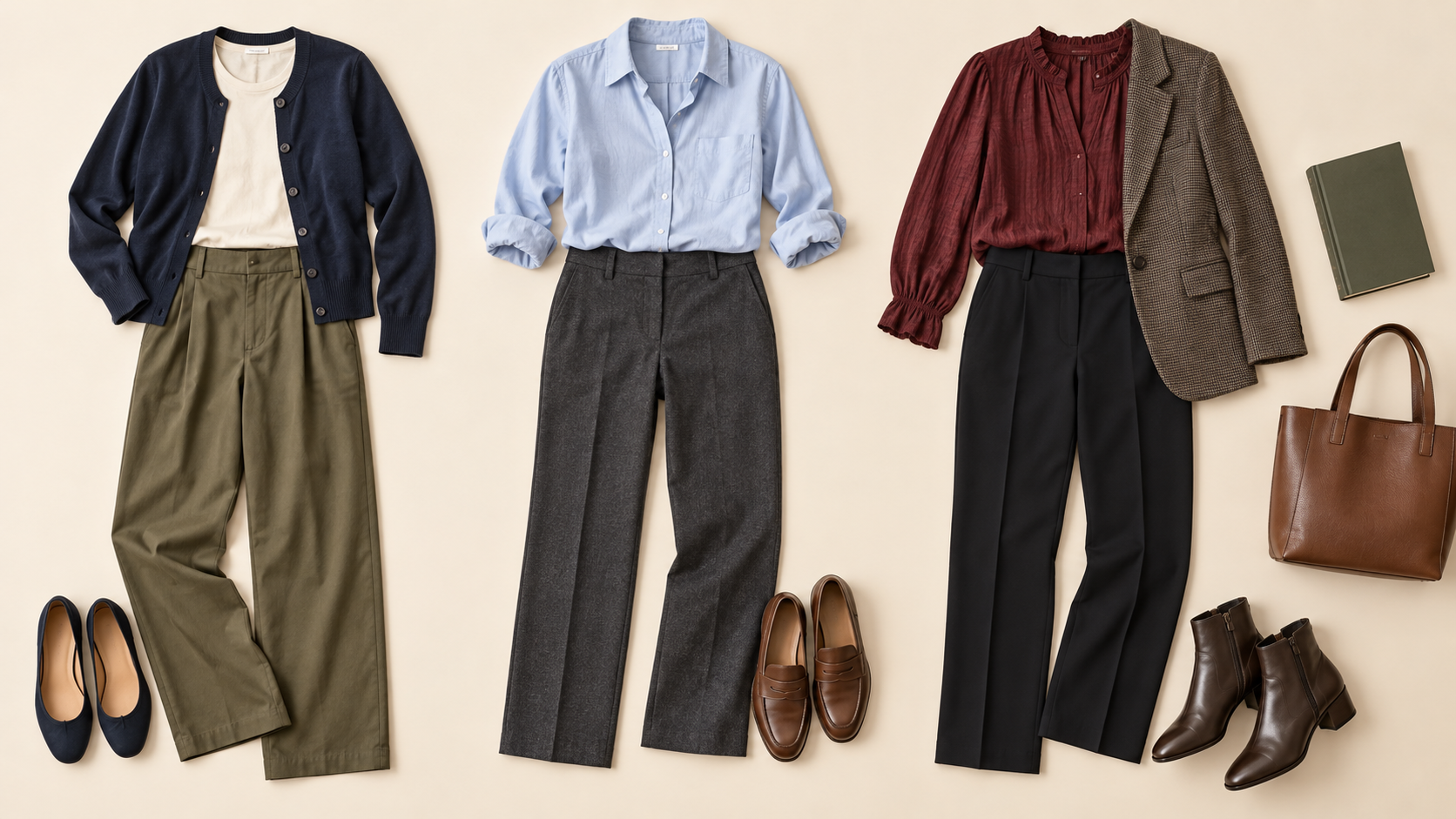
For a clothing repair workshop, choose an outfit that is comfortable at a table, easy to move in and separate from the garment you want to mend. A plain top, familiar trousers and flat shoes are a useful starting point. Add a removable layer and keep sleeves, jewellery and bags clear of the working area.
Check the workshop format first
A repair café, a visible-mending class and a sewing-machine lesson may provide different tools and support. Read the organiser’s instructions for what to bring, what is supplied and whether you need to book. Ask if your planned repair suits the session rather than arriving with several complicated projects.
Repair Café International’s clothing and textile repair overview gives examples of the kinds of repairs people bring to these events. Your local organiser’s guidance should determine your packing list and workspace rules.
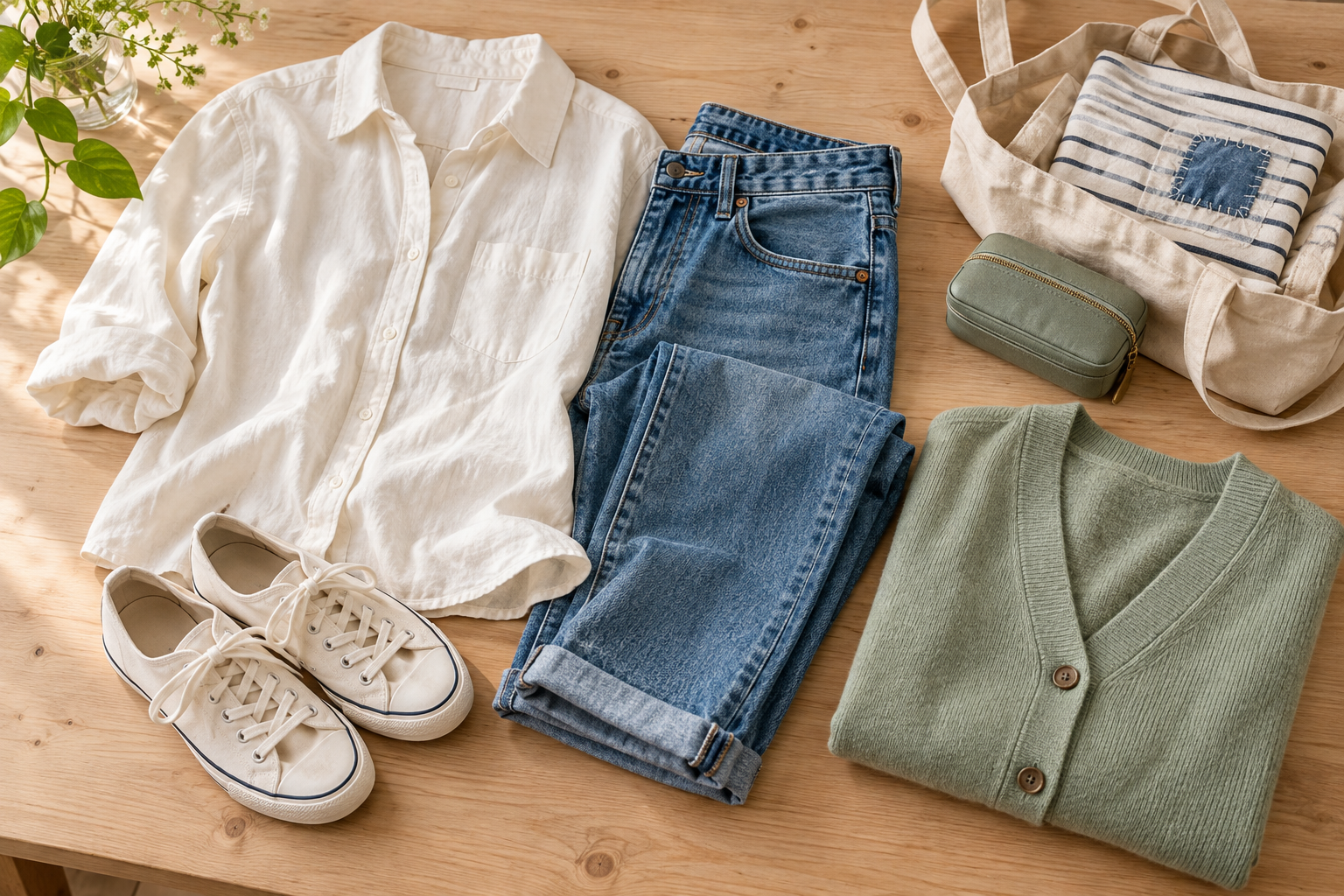
Outfit one: a simple shirt with relaxed jeans
Try a soft cotton shirt with sleeves that stay rolled, jeans you can sit in comfortably and flat lace-up shoes. Avoid a waistband that becomes uncomfortable when leaning towards a table. A light cardigan can go over the shirt for the journey, then fold into your bag.
Test the outfit before leaving: sit down, lean forward and move your arms as if stitching. If a sleeve falls over your hand, use a different top or roll it securely. Follow the instructor’s clothing requirements, especially when equipment is involved.
Outfit two: a tee, straight trousers and an overshirt
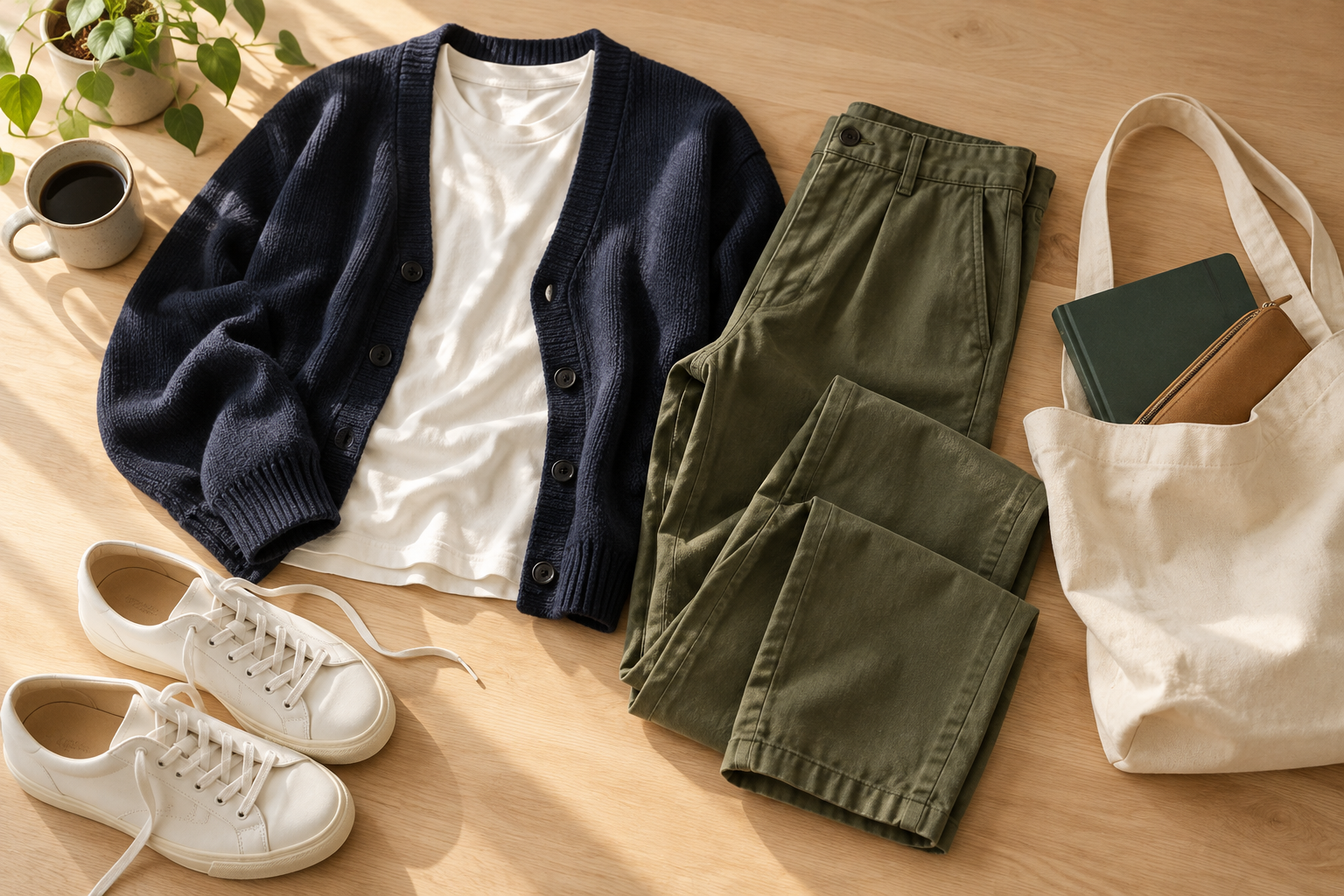
A plain tee and soft straight-leg trousers make another simple formula. Add an overshirt that is easy to remove without disturbing your hair or accessories. Pick fabrics you are happy to wear around thread, fabric offcuts and a shared table.
Use colours you like rather than buying an outfit for one class. An ivory tee, olive trousers and navy overshirt work together, but the useful features are comfort and sleeves that stay out of the way. Keep drawstrings or loose accessories contained according to the tutor’s instructions.
Outfit three: comfortable separates with an apron if requested
If the organiser recommends an apron, wear familiar separates underneath and check that the apron fits comfortably when seated. An apron is not a substitute for following equipment guidance. Avoid adding unnecessary layers that restrict movement or make the room feel too warm.
Choose footwear suitable for the venue and journey. Do not assume that every mending session has the same requirements as a sewing studio. Ask the organiser about closed shoes or other clothing rules if they are not stated.
Pack the repair garment separately
Bring the item you want to mend in a small bag, along with any replacement pieces the organiser has asked for. It is often easier to work on a garment that you are not wearing. If a fitting is part of the session, ask in advance about privacy and what clothing would make the fitting practical.
- Choose one main repair so you can explain what you want to learn.
- Check the garment’s care label and follow the organiser’s preparation instructions.
- Put small supplies in a closed pouch rather than loose in the tote.
- Bring a notebook or take notes in the way the session permits.
- Leave space to carry the repaired item home.
For an appointment focused on alterations and fitting, use the site’s tailor-appointment guide rather than assuming a workshop follows the same process. For more ways to use clothes you own, see our outfit repetition guide.
Keep the working area clear
A compact bag is easier to place where the organiser directs than several shopping bags. Put outerwear away from the table, and remove jewellery that catches on fabric or taps repeatedly against the surface. Keep your phone accessible for permitted reference photos without placing it among tools.
If you are combining the workshop with a clothing swap, separate the swap items from the repair project so you can find each without unpacking everything.
Before you leave home
- Read the organiser’s clothing and supply instructions.
- Test the outfit while sitting and reaching.
- Check that sleeves and accessories stay clear.
- Pack the repair garment and requested supplies separately.
- Choose a removable layer and comfortable shoes.
The outfit should make it easy to focus on learning. Start with familiar clothes, adapt them to the session and let the organiser’s practical requirements guide the final details.