Outfit Ideas That Work: A Real-Life Style Guide You Can Trust

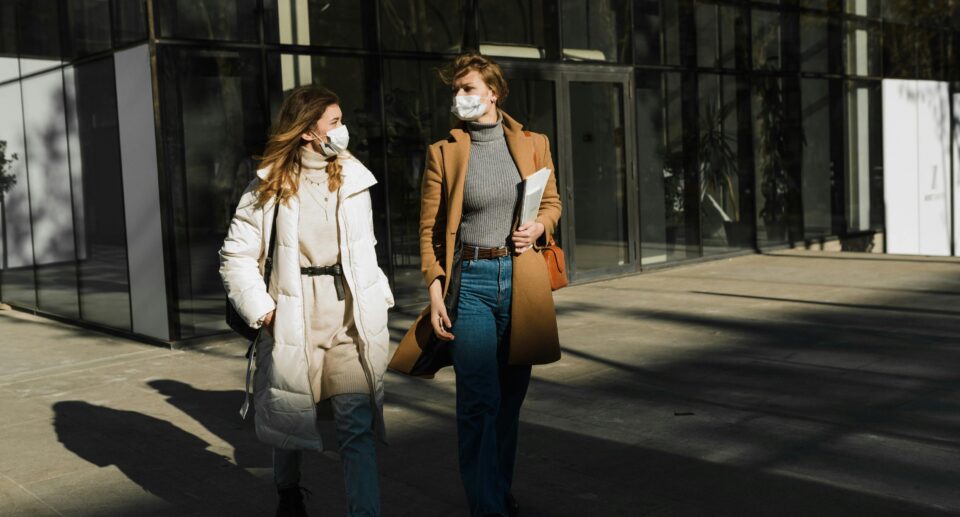
Good outfit ideas should make getting dressed easier. The most useful looks fit your day, feel comfortable for several hours, and use pieces that can work more than once. This guide gives you a simple method for building outfits without chasing every trend or buying a new wardrobe.
Start with the day you actually have
Before choosing colors or accessories, list what the outfit must handle. Consider the weather, how much walking or sitting you will do, the dress code, and whether you need to move between casual and formal settings. A look that works for an office commute needs different shoes and layers than one for a relaxed weekend.
Choose comfort requirements first. If a waistband, shoe, fabric, or neckline bothers you at home, it will probably bother you more after several hours. Style works best when you can focus on your day instead of adjusting your clothes.
Use a four-part outfit formula
A repeatable formula helps you create different looks from the same wardrobe:
- Base: a top and bottom, or a one-piece outfit such as a dress or jumpsuit.
- Layer: a cardigan, overshirt, blazer, jacket, or coat chosen for the weather and dress code.
- Shoes: the pair that suits the activity and sets the level of formality.
- Finishing piece: one purposeful accessory, texture, color, or pattern.
For example, straight-leg jeans and a plain knit top form the base. Add a relaxed blazer, clean sneakers, and a structured bag for a polished casual look. Swap the sneakers for loafers and the bag for a smaller shoulder bag to make the same base feel dressier.
Balance fit and proportion
An outfit often feels intentional when one part is fitted and another has more ease. Wide-leg trousers can pair well with a closer-fitting top, while slim trousers can work with an oversized shirt or jacket. This is a flexible starting point, not a rule: the goal is to see a clear shape and feel comfortable in it.
Check the outfit from the front, side, and back. Sit down, reach forward, and walk around. These quick tests reveal pulling fabric, awkward lengths, and shoes that may not last through the day.
Build color combinations you can repeat
If color matching feels difficult, begin with two neutrals and one accent. Navy trousers, a white shirt, and a green bag are easy to coordinate. So are black jeans, a grey sweater, and burgundy shoes. Repeating one color in a small detail can make the outfit feel connected without looking overly matched.
Patterns work the same way. Pull one color from a striped, checked, or floral piece and repeat it elsewhere. Let the pattern be the focal point and keep the remaining items simpler.
Practical outfit ideas for common situations
Casual day
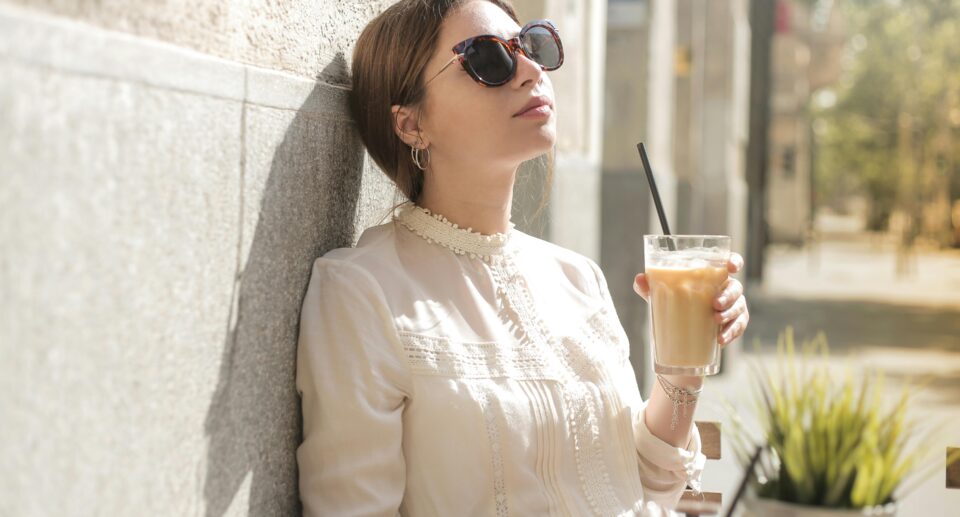
Try straight jeans, a breathable T-shirt, a lightweight overshirt, and comfortable sneakers. The overshirt adds structure and can be removed if the weather changes.
Work or smart casual
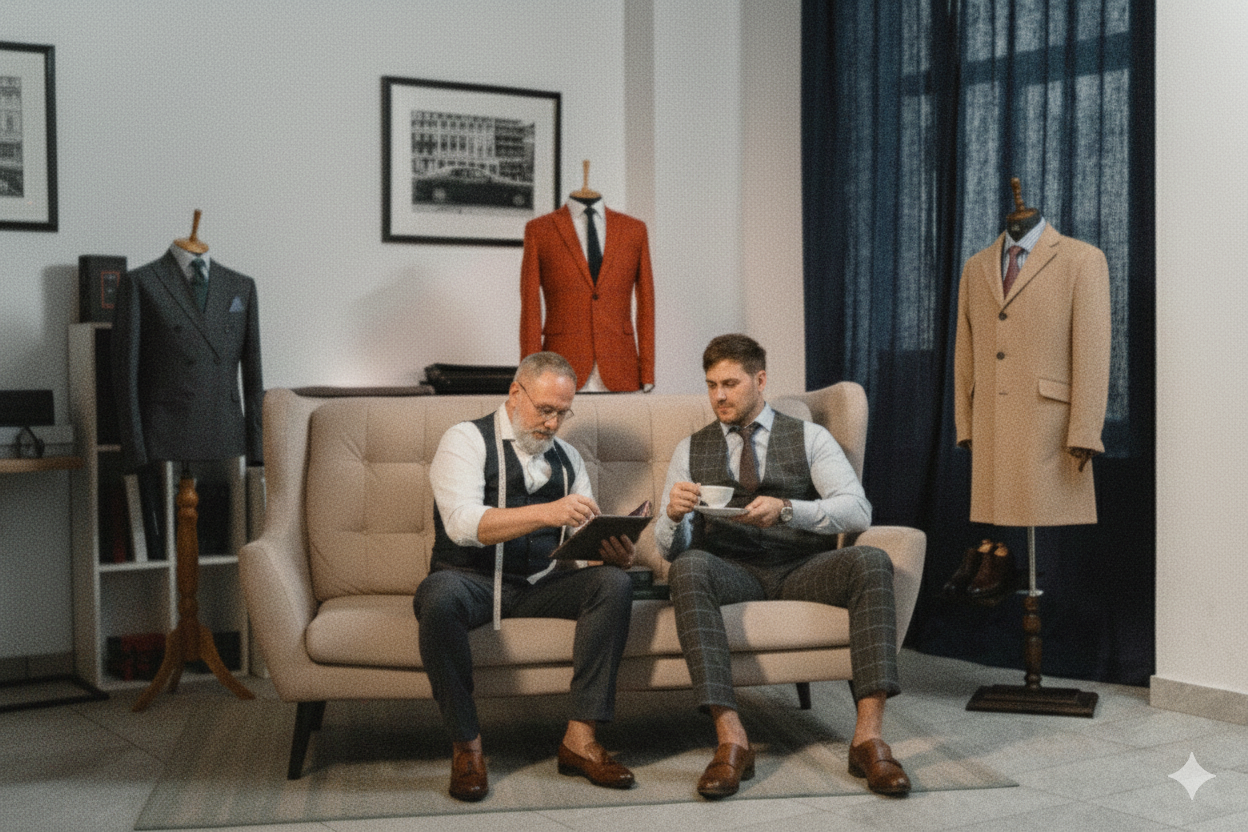
Pair tailored trousers with a knit top, loafers, and a blazer or cardigan. Choose a layer that still looks neat when carried, and keep an extra layer nearby if indoor temperatures vary.
Dinner or evening event
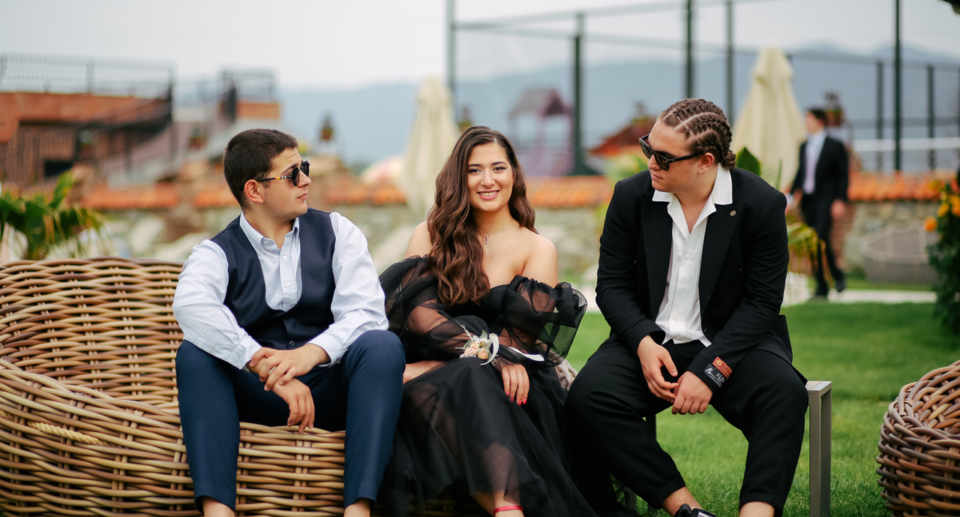
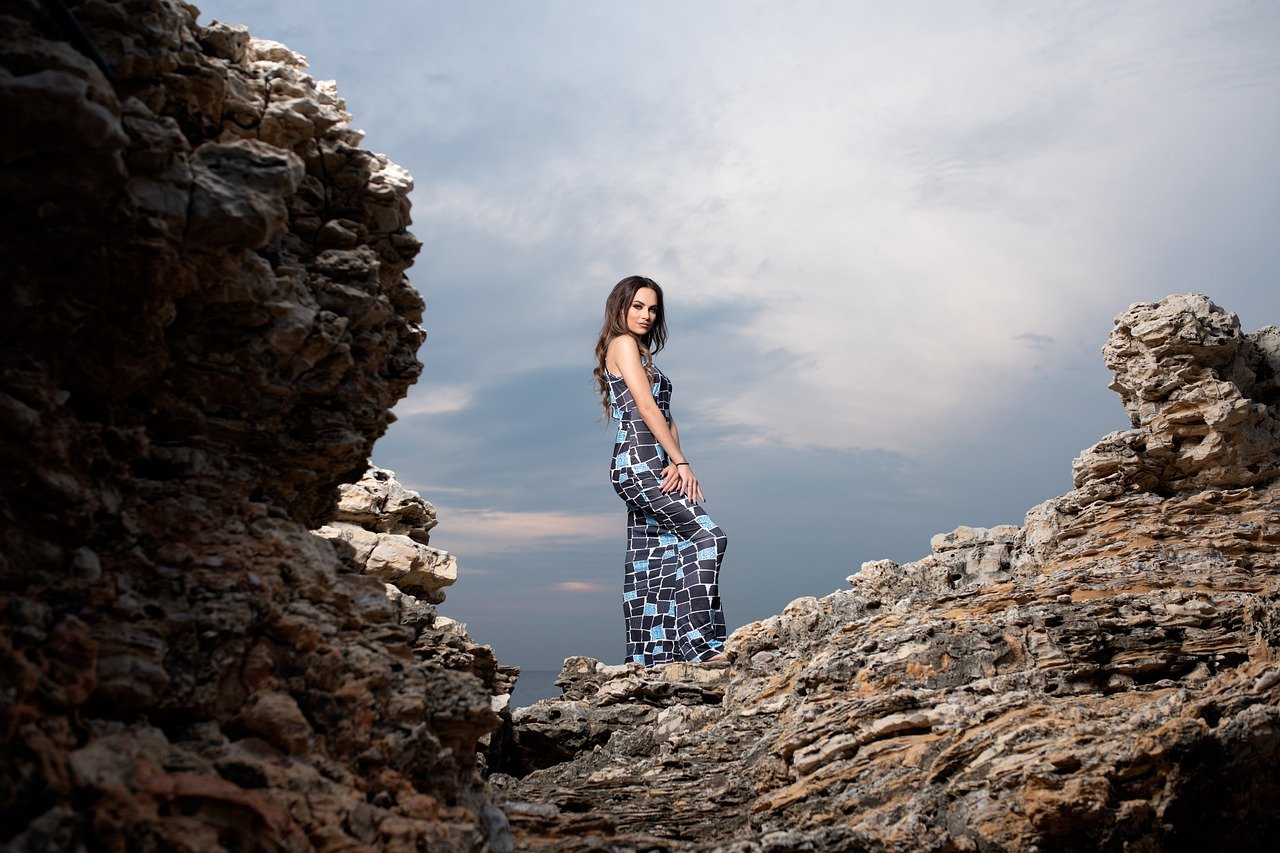
Use a simple dress or a monochrome top-and-trouser base, then add one stronger element such as textured shoes, a metallic accessory, or a cropped jacket. A clear focal point usually looks more polished than several competing details.
Travel day
Choose soft trousers or jeans with stretch, a breathable top, a light layer, and shoes you can walk in. Use pockets or a secure crossbody bag for essentials. Avoid trying an untested shoe or fabric on a long trip.
Shop your wardrobe before buying
Photograph outfits that work and keep a short note about where you wore them. When you need a new look, change one element first: the layer, shoes, or accessory. This helps you see real wardrobe gaps and reduces purchases that only work with one outfit.
If you do need something new, write down the exact job it must do. “A lightweight dark jacket that works with three existing outfits” is more useful than “a trendy jacket.” Check care instructions, comfort, and how it coordinates with what you already own.
A quick final check
- Can you move, sit, and walk comfortably?
- Does the outfit suit the weather and activity?
- Is there one clear focal point?
- Would a simpler shoe, layer, or accessory improve the balance?
The best outfit is one you can wear with confidence and repeat in new ways. Start with the practical requirements, use a dependable formula, and adjust one detail at a time. That approach creates more useful outfit ideas than copying a look that was designed only for a photograph.